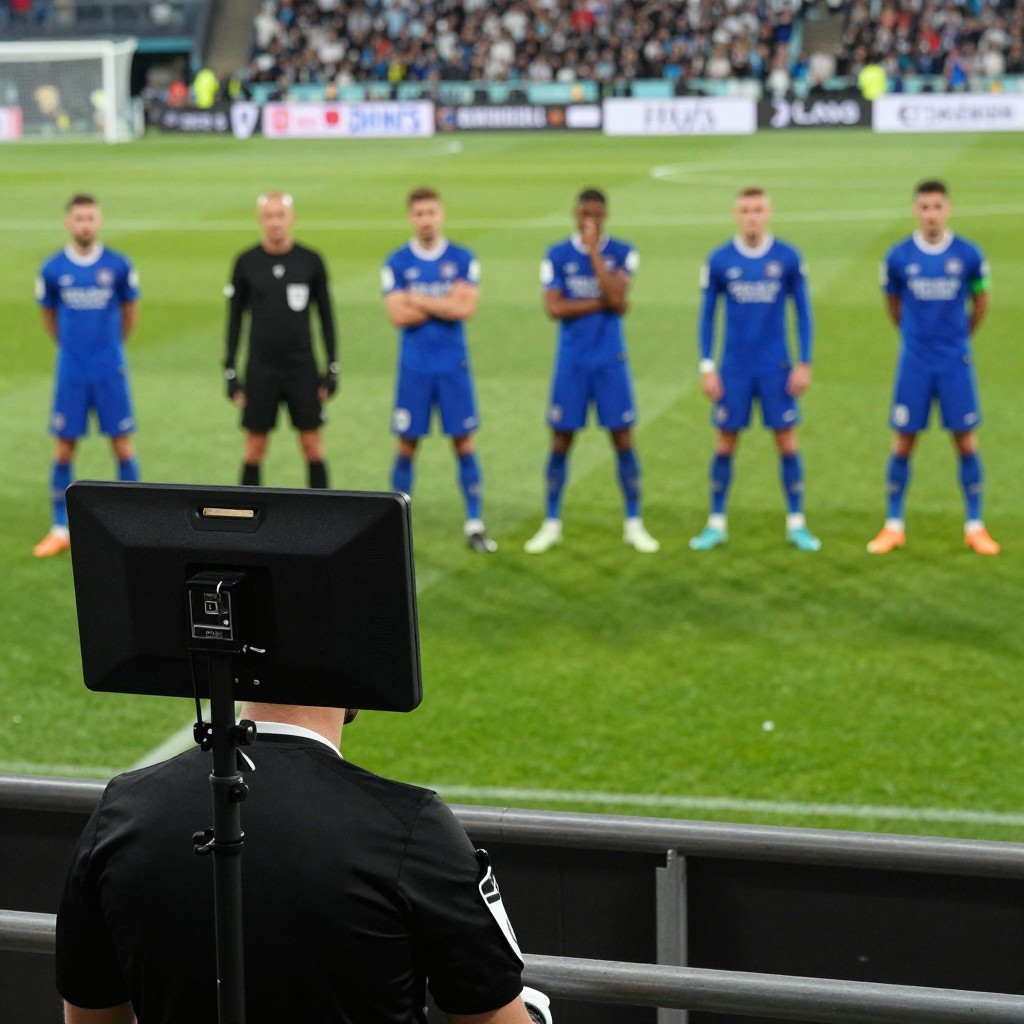
VAR is best understood as a review tool, not a guarantee of perfect justice: it can help correct clear, important errors, yet reviews can interrupt play and still leave room for interpretation. For most competitions, the strongest option is a limited, transparent VAR protocol that protects major decisions while keeping the referee, the rules and the flow of football central.
The VAR Debate in Six Matchday Takeaways
- VAR can help correct clear errors in key incidents, but it cannot remove every judgement call.
- Reviews are most useful when the decision could materially change the match.
- More checks do not automatically mean fairer or more trusted officiating.
- Delays and unclear explanations can weaken the experience for players and supporters.
- The referee should remain responsible for the decision on the pitch.
- A limited, consistent protocol is the best balance for competitions seeking both accuracy and flow.
What VAR Was Designed to Correct-and What It Cannot Guarantee
VAR, or Video Assistant Referee, allows match officials to review certain important incidents using video. For readers asking qué es el VAR en el fútbol, the practical answer is that it is a support process for the referee, not a separate authority that replaces the referee or decides every disputed moment.
When comparing approaches to VAR, assess them against these criteria:
- Importance of the incident: Could the call affect a goal, penalty, direct red card or mistaken identity?
- Clarity of the evidence: Does the footage provide a clear basis to reconsider the on-field decision?
- Room for interpretation: Is the call mainly a matter of judgement, where reasonable officials may differ?
- Effect on match flow: Is the likely benefit worth stopping or delaying play?
- Consistency: Can officials apply the review threshold in a similar way across matches?
- Communication: Can players and supporters understand why the review happened and what changed?
- Referee responsibility: Does the process support the on-field referee rather than make authority feel remote?
VAR can help establish what happened in an incident. It cannot make every interpretation of the rules unanimous, guarantee that every camera angle tells the whole story, or prevent controversy when the threshold for intervention is unclear. That is why polémicas del VAR often concern not only the footage, but also the standard used to interpret it.
A Side-by-Side Test: Fairer Decisions Versus Lost Flow
The best choice depends on what a competition prioritises. These options compare different levels of intervention; they are policy approaches, not a claim that one format is used everywhere.
| Option | Who it suits | Advantages | Disadvantages | When to choose it |
|---|---|---|---|---|
| No VAR | Supporters and organisers who prioritise uninterrupted play | Preserves the traditional rhythm and avoids video-review delays | Clear, consequential errors may stand | When simplicity and continuous play matter more than correcting reviewable errors |
| Limited VAR for major incidents | Competitions seeking a balance between accuracy and flow | Focuses reviews on decisions with significant match impact | Some contentious calls remain outside the review threshold | When organisers want targeted intervention and a clear limit on reviews |
| Broader VAR intervention | Organisers willing to review more disputed decisions | More opportunities to revisit potentially important calls | Can interrupt play more often and increase debate about borderline decisions | When correcting a wider range of errors is the main priority |
| VAR with clearer public explanations | Supporters and players who want to understand decisions | Can make the review process easier to follow and scrutinise | Communication alone cannot resolve disagreement about an interpretation | Alongside any review policy where transparency and trust are priorities |
The practical answer to ventajas y desventajas del VAR depends on the chosen threshold: narrower use protects flow but leaves more calls untouched; broader use offers more chances to review but risks making interruptions and borderline disputes more prominent.
How Referees, Players, and Supporters Experience the Review
- If you are the referee and the footage clearly challenges a major on-field decision, use the review process to reassess the incident while retaining responsibility for the final call.
- If you are a player involved in a borderline incident, expect the rules and available evidence to guide the review; do not assume that video makes a subjective decision automatic.
- If you are a supporter watching a close match, treat a review as a check on a defined incident, not as a promise that every disputed moment will be examined.
- If you organise a competition and supporters struggle to follow reviews, make the intervention threshold and decision explanation easier to understand.
These perspectives help explain why opiniones sobre el VAR en el fútbol differ: people may value the same technology differently depending on whether they prioritise a corrected call, an uninterrupted match or confidence in the decision-making process.
Which Calls Deserve a Second Look? A Practical Threshold
- Identify the decision in dispute and check whether it falls within the competition’s VAR protocol.
- Ask whether the incident could materially affect the match, rather than merely attract attention.
- Review whether the available footage clearly challenges the on-field decision.
- Separate observable facts from interpretation-for example, what happened from how a rule applies.
- Consider whether the review is likely to clarify the decision or simply prolong a close judgement call.
- Explain the outcome and preserve the referee’s responsibility for the final decision.
When Technology Changes the Meaning of a Goal
Frequent mistakes in judging whether VAR is helping include:
- Expecting video to eliminate all disagreement.
- Treating every controversial incident as automatically reviewable.
- Assuming that a slow-motion replay settles a question that still requires interpretation.
- Confusing more reviews with more fairness.
- Ignoring the cost of interruptions to the match experience.
- Criticising a result without distinguishing the footage from the rule applied to it.
- Using unclear review standards and then expecting supporters to trust the outcome.
A goal may feel different after a review because the decision affects not only the score but also the timing and emotion of celebration. A credible process should make clear what is being checked and why, without turning every goal into an extended wait.
Pesnosune’s Verdict: Keep VAR, but Put Football First
In Pesnosune’s view, limited VAR is the best option for competitions seeking to correct clear, consequential errors, while no VAR may suit those that place uninterrupted flow above review-based correction; broader intervention is best reserved for organisers who accept more stoppages in pursuit of reviewing more disputed calls. The recommendation is not that technology guarantees justice, but that a narrow threshold, consistent use and understandable explanations give VAR its strongest case without letting the review process overshadow football.
Clear Answers on VAR’s Place in the Modern Game
Does VAR replace the referee?
No. VAR supports the referee by reviewing eligible incidents; the referee remains responsible for the decision.
Can VAR make every decision correct?
No. Video can clarify what happened, but some calls depend on interpretation and the rules being applied.
Why does VAR sometimes interrupt the flow of a match?
A review takes time to assess an incident and reach a decision. The interruption is more noticeable when reviews are frequent or their purpose is unclear.
Is no VAR a fairer option?
It may better preserve continuous play, but it also means eligible errors are not checked through video review. Whether that trade-off is preferable depends on the competition’s priorities.
Which VAR approach offers the best balance?
A limited protocol focused on clear, consequential incidents offers a practical balance between reviewing major errors and protecting match flow.
Why do supporters still disagree after a review?
The footage may be clear while the rule’s application remains open to judgement. Disagreement can also reflect different priorities, such as accuracy, flow or trust.