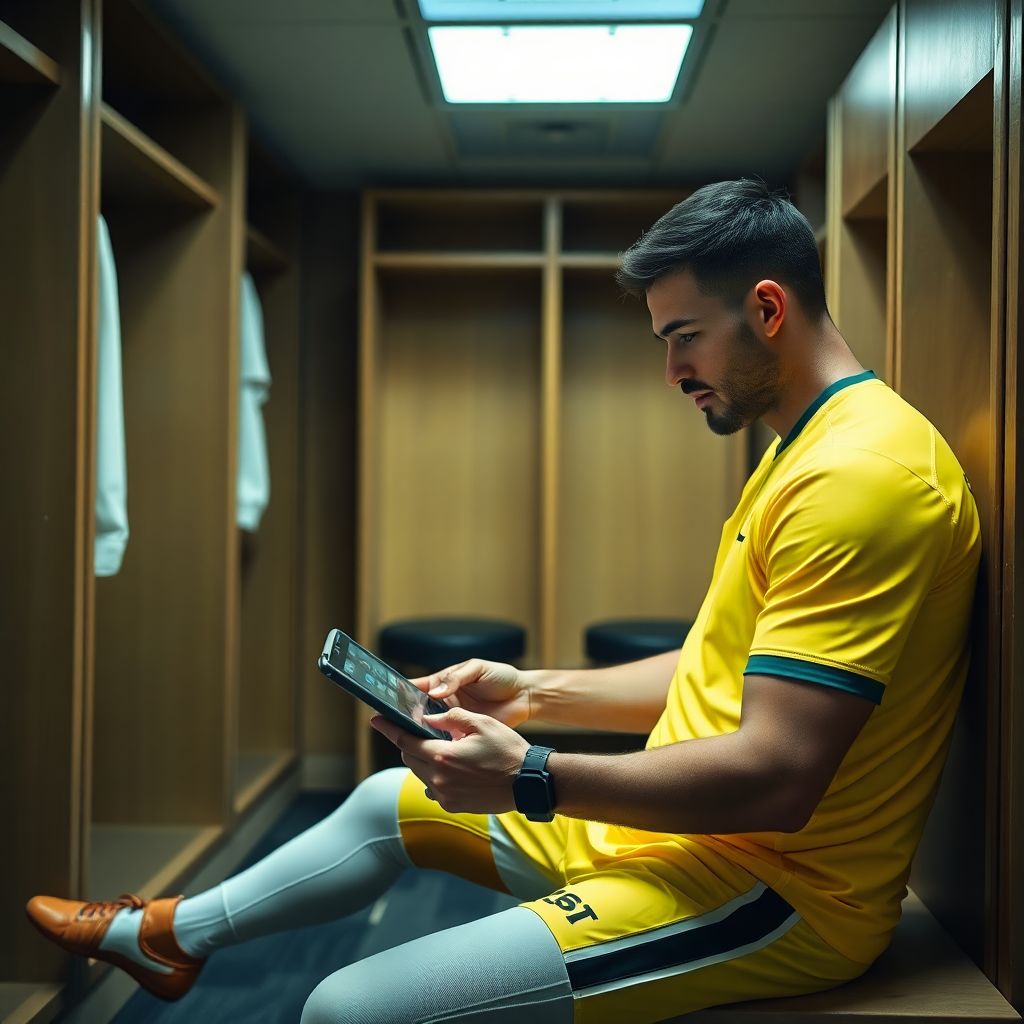
A professional footballer’s decisive-match week is built around reduced training load, sharp tactical work, strict recovery habits, and simple, repeatable routines. Plan one main session per day, taper intensity from midweek, protect sleep and nutrition, and rehearse key match situations mentally so you arrive fresh, confident, and tactically clear.
Essential Focus Areas Before Matchday
- Control total training load with a clear plan de entrenamiento semana previa a un partido de fútbol, reducing intensity as matchday approaches.
- Prepare tactically through video, simple game plans, and clear communication with staff and teammates.
- Protect sleep, nutrition, and low-impact recovery to keep legs fresh and mind sharp.
- Use mental tools (breathing, visualization, routines) to handle pressure in partidos decisivos.
- Plan meals, travel, and timings to avoid last-minute stress or rushed warm-ups.
- Follow a personal checklist so your rutina de un futbolista profesional antes de un partido decisivo is consistent and calm.
Training Load: Periodization and Session Design
This structure suits semi-professional and professional players, and ambitious amateurs who already train regularly and have basic fitness. It explains entrenamiento futbolista profesional antes de un partido with a safe, progressive taper so you arrive fresh rather than fatigued.
Avoid copying this exactly if you are injured, returning from a long break, or have more than one decisive match in the week. In those cases, coordinate with your coach or physio and reduce intensity and volume further, especially in high-speed runs and contact. For youth players, shorten total session duration and prioritize fun, simple drills.
- Matchday -5: One main team session (60-75 minutes) with moderate intensity, technical work and short game-related runs.
- Matchday -4: Similar duration, but slightly lower intensity; include small-sided games and position-specific scenarios.
- Matchday -3: Last moderately intense day; a few controlled high-speed actions but no maximal sprints to exhaustion.
- Matchday -2: Shorter (45-60 minutes), mainly tactical and set pieces with light rondos and finishing.
- Matchday -1: Brief activation (30-45 minutes), focusing on sharpness, first touch, and confidence-building drills.
Tactical Preparation: Opponent Analysis and Team Briefings
Understanding cómo se prepara un futbolista profesional para un partido importante also means using the right tools for tactical clarity. At professional level, this usually combines live observation, video, and digital analysis platforms, plus simple printed or digital summaries players can review quietly before the game.
To reproduce an elite-style process in your context, you only need basic, accessible resources: match footage, a whiteboard, clear communication, and a shared game model. High-end software helps but is not essential; what matters is that everyone understands key roles, risks, and solutions against this specific opponent.
- Video access: Recent full matches or highlights of the opponent, preferably when they faced a team with your system.
- Whiteboard or magnetic board: To show pressing triggers, build-up patterns, and defensive block shape.
- Simple clips (3-10 seconds each): Examples of their strengths (counterattacks, set pieces) and weaknesses (spaces between lines).
- Clear roles document: One page per line (defence, midfield, attack) stating responsibilities in and out of possession.
- Short team meeting (10-20 minutes): Enough to explain the plan without overloading players with details.
Physical Recovery: Sleep, Nutrition, and Regeneration Protocols
Before detailing the step-by-step process, use this quick checklist to prepare your recovery environment for the week:
- Confirm bedtimes and wake times that allow enough sleep each night.
- Plan main meals around training sessions and matchday.
- Identify 1-2 low-impact regeneration methods you enjoy (walks, mobility, stretching).
- Organise your hydration tools (bottles, electrolyte drinks if recommended).
- Clear late-night screens and heavy social media use from your bedroom.
- Establish consistent sleep windows
Aim to go to bed and wake up at roughly the same time every day during matchweek. Most players benefit from an earlier, calm evening routine instead of late gaming or social media. Prioritise a dark, cool, quiet bedroom and avoid caffeine in the late afternoon or evening. - Time nutrition around sessions
Structure meals so you avoid both training on an empty stomach and heavy sessions after large, slow-digesting meals.- Eat a balanced meal with carbohydrates, lean protein, and some healthy fats 2-4 hours before training.
- Use a light snack (fruit, yogurt, small sandwich) 30-60 minutes pre-session if needed.
- Post-training, include protein and carbohydrates within a couple of hours.
- Use daily low-impact regeneration
On most days, especially after training, include short, gentle recovery work instead of complete inactivity.- 5-15 minutes of easy mobility or stretching focusing on hips, hamstrings, calves, and lower back.
- Short walks or light cycling to promote blood flow without adding stress.
- If available and approved, use simple tools such as foam rollers or massage balls.
- Control total workload outside formal training
For a solid plan de entrenamiento semana previa a un partido de fútbol, avoid extra intense gym sessions or informal matches.- Limit strength work to low-moderate loads and low volume, especially from matchday -3 onwards.
- Keep any additional running at easy pace and short duration.
- Skip risky activities (heavy jumps on concrete, contact sports) that can cause avoidable soreness.
- Prepare the day-before-match routine
Matchday -1 should be your calmest physical day, helping your body and mind settle.- Do only a short activation session, followed by stretching or mobility.
- Focus on hydration with regular small intakes of water throughout the day.
- Eat familiar foods in moderate portions, avoiding experimenting with new dishes.
- Use pre-sleep wind-down strategies
Especially the night before a decisive match, your mind may be active.- Switch off screens at least 30-60 minutes before sleep.
- Use quiet breathing, reading, or light stretching instead of intense conversations about the match.
- Prepare equipment and bag earlier in the evening to avoid last-minute stress.
Mental Readiness: Concentration, Visualization, and Pressure Management
Strong mental preparation converts physical and tactical work into reliable performance under pressure. consejos preparación física y mental para futbolistas antes de un partido always include simple, trainable mental skills: attention control, emotional regulation, and self-talk. Treat these skills as you treat passing or shooting: short, regular practice beats occasional, intense sessions.
Across the week, rehearse how you want to feel and react in difficult moments, not only best-case scenarios. Use brief visualization sessions to walk through your role in and out of possession, set pieces, and transitions. Combine this with a few breaths and key words you repeat when the stadium noise and pressure increase.
- You can describe your role in one or two clear sentences (with and without the ball).
- You rehearse 5-10 minutes of visualization on at least three days before the match.
- You have 1-2 simple breathing patterns (e.g., longer exhale) you use when anxious.
- Your self-talk before and during the game sounds specific and supportive, not vague or overly negative.
- You accept pre-match nerves as normal and use them as activation, not as a problem.
- You can picture how you will react after mistakes (recovering quickly, demanding the ball again).
- You have agreed a short, shared routine with teammates (huddle, eye contact, key phrase) before kick-off.
- You feel your focus returning quickly when it is lost, using breath or body cues (posture, scanning).
Matchweek Nutrition Plan: Timing, Macronutrients, and Supplement Choices

Even the best rutina de un futbolista profesional antes de un partido decisivo can be undermined by basic nutrition mistakes. Once your general diet is balanced, matchweek is about consistency and avoiding extremes rather than radical new plans or heavy restrictions that add stress or low energy.
- Drastic changes to usual eating patterns during matchweek, such as suddenly removing entire food groups without professional guidance.
- Very heavy, late-night meals, especially close to matchday, that impair sleep quality and digestion.
- Relying on energy drinks or large doses of caffeine instead of planned meals and snacks.
- Skipping breakfast or going into training and matches with long gaps since the last proper meal.
- Testing new supplements for the first time in the week of an important match.
- Under-drinking water during travel days, then over-drinking quickly right before kick-off.
- Overcompensating with huge portions of pasta or bread the day before, causing bloating or discomfort.
- Ignoring individual tolerances and copying teammates’ exact meal choices despite different needs.
Logistics and Routine: Travel, Matchday Timing, and Personal Checklist
Logistics shape how calmly you can execute everything above. cómo se prepara un futbolista profesional para un partido importante includes arriving early, avoiding surprises, and using pre-kick-off hours to ease into the game. Depending on level and resources, there are several workable structures.
- Club-organised day trip
Suitable when travel time is short and facilities at the stadium are adequate. The team meets at the training ground, travels together, eats a pre-match meal, and arrives at the stadium with enough time for a relaxed warm-up. - Overnight stay in a hotel
Best when travel distance is longer or when kickoff is early. This option reduces fatigue from same-day travel and offers a controlled environment for sleep, meals, and team talks, closer to how a typical entrenamiento futbolista profesional antes de un partido is supported. - Individual travel with strict reporting times
Common in lower leagues or amateur contexts where full-time logistics are not possible. Players travel independently but must respect clear arrival times and pre-match checkpoints. Works only with disciplined communication and backup plans for transport problems. - Hybrid model (small groups or carpooling)
Practical when resources are limited but the club still wants some control. Players travel in assigned groups, with one responsible contact person per car or group, and all follow a shared schedule and pre-match routine.
Common Concerns and Practical Clarifications
How many intense training days should I have in the week before a decisive match?
Usually one to three days early in the week are enough, with intensity decreasing towards matchday. Keep matchday -2 and -1 clearly lighter, focusing on sharpness and tactics rather than conditioning.
Is it good to rest completely the day before the match?
A light activation session is often better than full rest. Short, low-intensity work plus stretching helps you feel loose and awake, but avoid anything that creates new soreness or fatigue.
How should I adjust my gym work in matchweek?
Reduce load and volume, especially for heavy lower-body lifts. Use lighter weights, fewer sets, and focus on mobility and core stability from matchday -3 onwards instead of maximum-strength sessions.
What if I feel very nervous on matchday morning?
Accept nerves as normal activation and channel them. Use slow, controlled breathing, a simple pre-match routine, and short visualization of your first actions to give your mind a clear, positive script.
Can I copy a professional player’s diet exactly?
No, it is better to follow general principles and adapt them to your body, schedule, and cultural habits. Use familiar, well-tolerated foods and avoid radical changes right before an important match.
How much video analysis is enough for most players?
A short team session and brief individual review are usually enough. Overloading yourself with long videos can create confusion; instead, focus on a few key patterns and your specific responsibilities.
What should I do if my travel plans to the stadium are uncertain?
Plan earlier arrival times, prepare backup routes, and communicate clearly with staff. Reduce other activities on matchday to leave margin for delays without rushing your warm-up.
Комментарии